






Hunting Dog Training
VGP- Versatile Hunting Dog Utility Test Training Checklist
VGP- Versatile Hunting Dog Utility Test Training Checklist
Download / Print the VGP Checklist (PDF)
Understanding the Verbands-Gebrauchsprüfung (VGP)
The Finished Hunting Dog Test
The Verbands-Gebrauchsprüfung (VGP), commonly called the Utility Test, is considered the highest level test within the German versatile hunting dog system. While the VJP evaluates natural ability and the HZP evaluates developing hunting skills, the VGP evaluates the finished hunting dog.
The purpose of the VGP is not simply to determine whether a dog can complete a series of exercises. The purpose is to evaluate whether a dog can perform the practical tasks required of a versatile hunting dog in the field, forest, and water while remaining under complete control of the handler.
The VGP is often referred to as “The Most Versatile Hunting Dog Test on the Planet” because it evaluates the total package: hunting ability, trainability, cooperation, reliability, obedience, and practical usefulness. A dog that successfully passes the VGP should be capable of ethical hunting under a wide variety of conditions.
Prize I, Prize II, and Prize III
Unlike many hunting dog tests that are simply pass or fail, the VGP awards prize classifications based on overall performance and point total.
- Prize I (First Prize) — Highest level of performance. Requires excellent work throughout the test.
- Prize II (Second Prize) — Awarded to dogs that successfully complete all required work but do not earn enough points for Prize I.
- Prize III (Third Prize) — Awarded to dogs that pass all required subjects while meeting minimum standards.
To earn any prize designation, the dog must successfully complete all mandatory subjects and avoid disqualifying faults.
Purpose of the VGP
The VGP exists to determine the utility of the hunting dog for versatile hunting, demonstrate those abilities to the hunting community, and promote proper training and handling of versatile hunting dogs. Unlike the VJP and HZP, the VGP is a performance test — natural ability alone is not enough. The dog is evaluated on trained performance and practical hunting experience.
Before You Enter a VGP
Many handlers become interested in the VGP immediately after passing the HZP. While understandable, additional maturity and hunting experience often benefit both dog and handler. The VGP is physically and mentally demanding and requires extensive preparation.
Dogs entered in the VGP should have experience with wild birds, waterfowl, furred game, blood tracking, retrieving under hunting conditions, and extended periods of obedience and control.
The VGP is not simply a test of individual exercises — it evaluates whether the dog performs consistently throughout two demanding days of testing. Many experienced handlers recommend allowing a dog to gain substantial hunting experience before attempting the VGP. Real-world exposure develops confidence, patience, game recovery skills, and cooperation that cannot be fully replicated in training alone.
Forest Work
Forest work is one of the areas that separates the VGP from many other hunting dog tests. The dog is evaluated on its ability to recover game, track wounded game, retrieve furred game, and search independently in wooded environments.
Blood Tracking
Blood tracking represents one of the most important portions of the VGP. The dog must follow a blood trail and demonstrate concentration, persistence, and reliability. In most VGPs, the blood track is approximately 400 meters in length, aged for several hours before being worked, and includes changes in direction to simulate the recovery of wounded big game under realistic hunting conditions.
Success is often determined by the dog’s ability to settle down, ignore distractions, and methodically work the track. Many handlers consider blood tracking the most rewarding part of VGP preparation because it directly reflects practical big game recovery.
Day Track vs. Overnight Track
Day Track — Aged for several hours before being worked. Fresher scent conditions often make the track somewhat easier for inexperienced dogs and handlers.
Overnight Track — Aged significantly longer and generally considered the more difficult option. Many experienced handlers choose the overnight track because it closely resembles difficult real-world recovery situations.
Regardless of which option is selected, successful blood tracking requires concentration, patience, consistency, and extensive preparation.
Dead Game Recovery
The VGP also evaluates the dog’s willingness to locate and indicate dead game. Additional points may be earned through dead game baying and dead game guiding — both optional exercises that demonstrate advanced game recovery abilities.
- Dead Game Baying — The dog locates the game and remains with it while barking repeatedly to attract the handler.
- Dead Game Guiding — The dog locates the game, returns to the handler, and guides the handler back to the recovered animal.
Fox Work
Fox work demonstrates the dog’s willingness to retrieve furred game under difficult conditions, including retrieving a fox from a drag (approximately 300 meters) and retrieving a fox from the fox box. The fox in box exercise evaluates determination, confidence, and willingness to recover game over an obstacle.
Rabbit Drag
Rabbit drag work evaluates the dog’s ability to follow a furred-game drag and complete a reliable retrieve. The rabbit drag is approximately 300 meters in length.
Independent Forest Search
The dog must demonstrate initiative and independence while remaining connected to the handler. The search is approximately 20 minutes in duration and should demonstrate desire, thoroughness, independence, and cooperation.
Water Work
Water work remains one of the defining characteristics of the versatile hunting dog.
Search Behind Duck
One of the most challenging portions of water work. The dog must demonstrate independence, persistence, desire, and willingness to search dense cover. The approximate search time is 20 minutes. Judges evaluate commitment to the search, not simply whether the duck is found.
Blind Retrieve
The blind retrieve evaluates cooperation and handler control. The retrieve distance is approximately 30 meters.
Duck Retrieve
The VGP includes duck drag work and retrieves of freshly shot waterfowl. Duck drags are approximately 200 meters.
Gunfire Stability
The dog must remain composed during water work while shots are fired.
Field Work
Field work evaluates many of the same hunting qualities first observed in the VJP and HZP, but at a much higher standard.
- Use of Nose — A superior nose remains one of the most valuable traits of a versatile hunting dog.
- Search — Should be energetic, intelligent, and adapted to terrain and conditions.
- Pointing — The dog should establish and maintain a convincing point, remaining steady until the handler approaches, the bird flushes, and a shot is fired.
- Manners Behind Game — Evaluates the dog’s ability to handle running game without unnecessarily pressuring or flushing it. Especially important when working pheasants and other running birds.
- Feathered Game Work — Includes the free search and retrieve of freshly shot feathered game, demonstrating game recovery ability, use of nose, and cooperation.
Obedience
Obedience is evaluated continuously from the beginning of the test until the conclusion. Subjects include general behavior, drive hunt obedience, heeling on leash, heeling off leash, down stay, steadiness to wing, steadiness to fur, and steadiness to shot. Strong obedience allows hunting ability to be expressed safely and effectively.
Common Reasons Dogs Struggle
Many difficulties encountered during the VGP are not caused by lack of ability, but by lack of preparation. Common issues include breaking on birds, weak search effort, incomplete search behind duck, leaving the blood track, poor game recovery, lack of cooperation, weak obedience under excitement, and inconsistent retrieving performance.
Test Day Preparation
Before Test Day
- Ensure paperwork is complete
- Confirm equipment is organized
- Avoid last-minute training changes
- Focus on consistency and confidence
Equipment Checklist
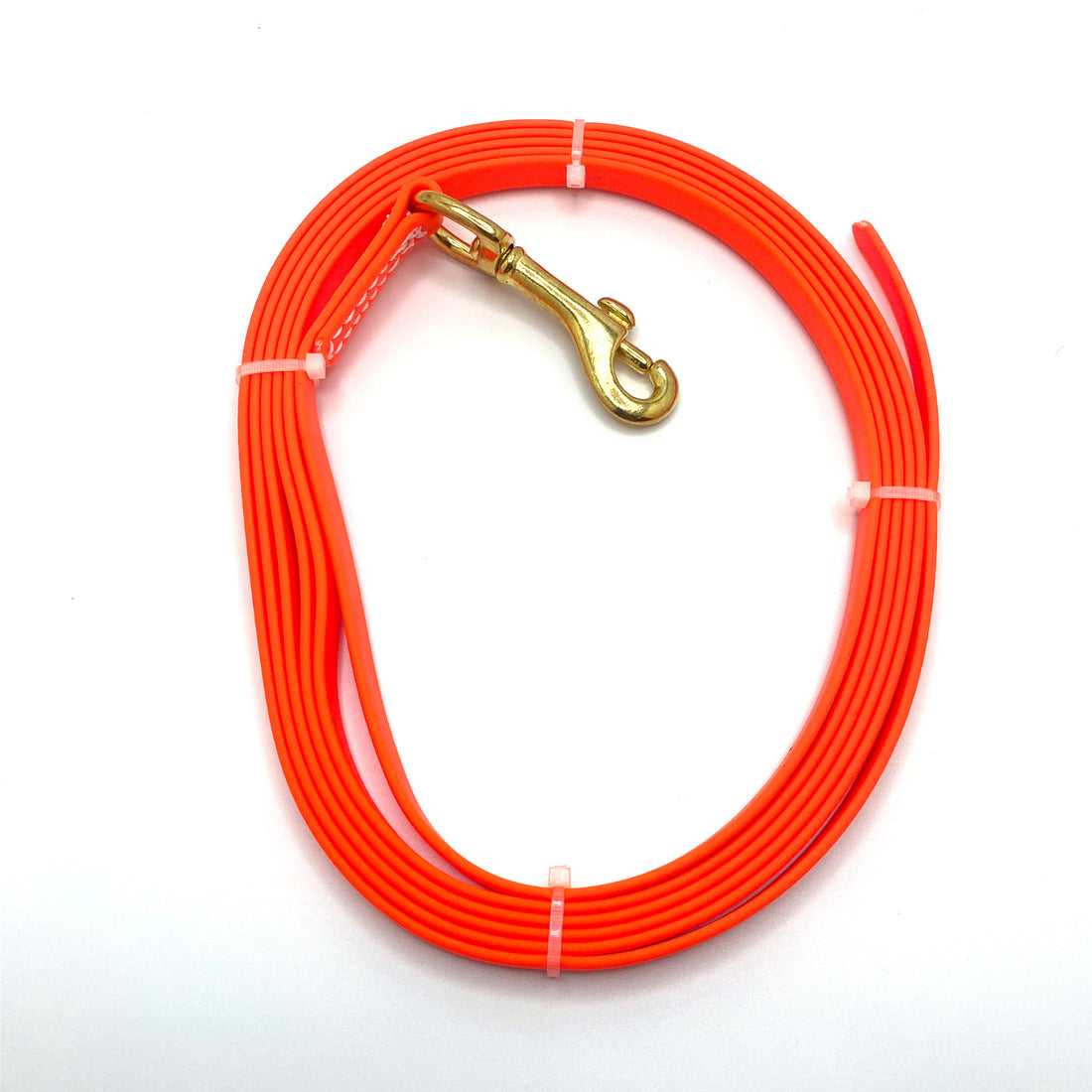
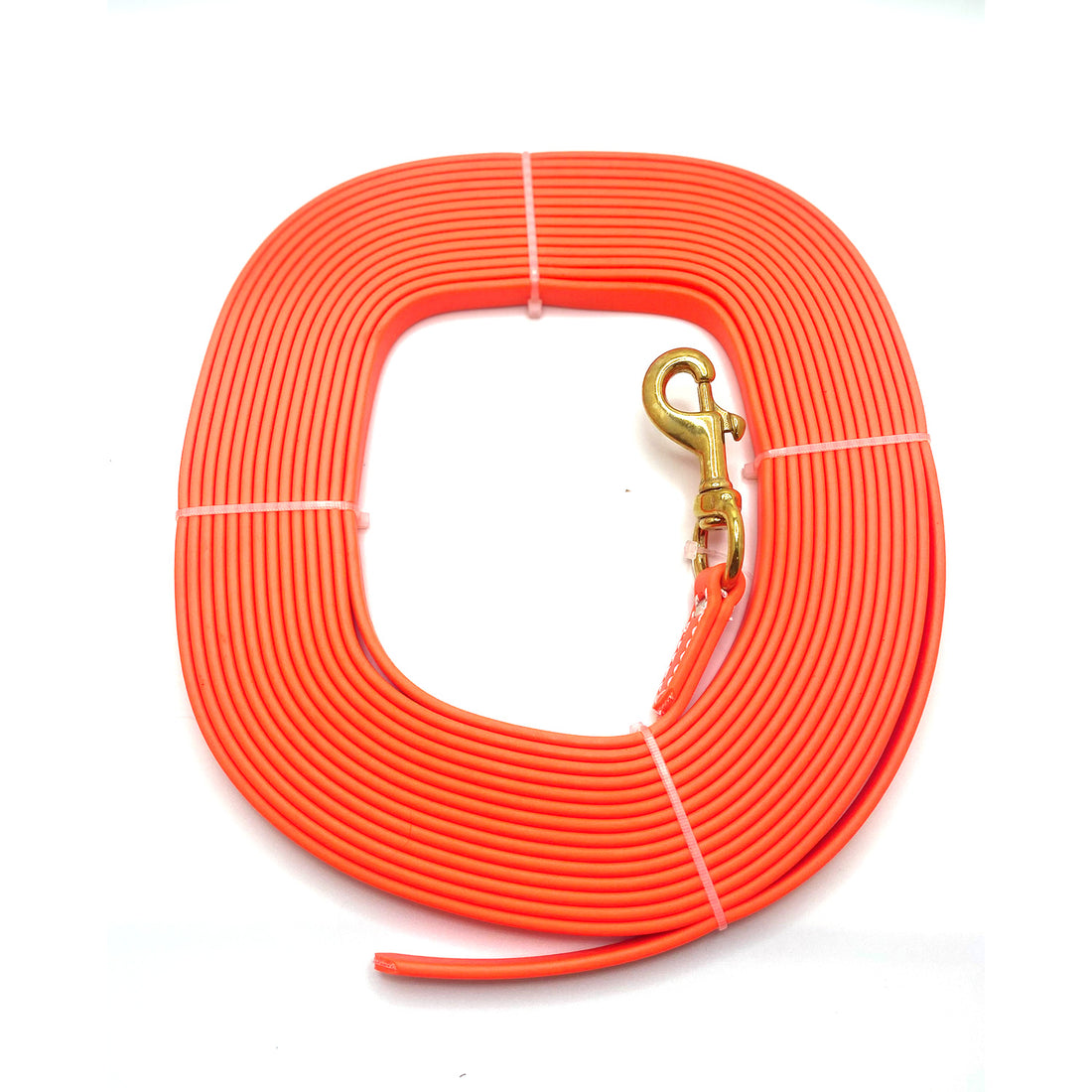
- Tracking lead
- Collar
- Whistle
- Water and bowl
- Blaze orange safety gear
- Shotgun and ammunition
- First aid kit
- Registration paperwork
Handler Preparation
Remain calm. Trust your training. Allow the dog to perform the skills it has developed through months and years of preparation.
Training Philosophy
Train beyond the minimum requirements whenever possible — longer tracks, more difficult retrieves, heavier cover, additional game species, more distractions. The goal should never be to merely pass the test. The goal should be to produce a complete hunting dog capable of recovering game and performing ethically under real hunting conditions. A dog prepared beyond test standards often enters test day with greater confidence and consistency.
Final Thoughts
The VGP represents the culmination of years of breeding, training, and hunting experience. While passing the VGP is a significant achievement, the true purpose of preparation is not a score sheet or a prize designation. The true purpose is producing a capable, reliable hunting companion that can perform the tasks required of a versatile hunting dog in the field, forest, and water.
Prepared by DRAHT CO — Train Hard, Hunt Easy.